
Dementia & Alzheimer’s Searches

What is Lost Memory Search?
Dementia and Alzheimer’s searches involve locating adults who may be disoriented, confused, or unable to recognize danger. These individuals often wander without a clear destination and may struggle to communicate basic information like their name or address. Weather, terrain, and time away from familiar surroundings can quickly increase risk. Search efforts emphasize understanding behavior patterns, last-known routines, and nearby hazards.
The goal is to find the person as quickly as possible, provide medical evaluation, and return them to a safe and familiar environment.
Our Dementia & Alzheimer’s Search Process
As the majority of wandering individuals with Dementia/Alzheimer’s are on foot, the physical search will begin within the missing person’s last residence and outside the perimeter. Posters with photos of the lost person will be created and disseminated. These will be distributed by going door to door within the lost person’s neighborhood, as well as to drive around adjacent neighborhoods to widen the search for the missing person. The Reporting Party will be given instruction on how to contact other entities that can provide valuable information, such as morgues, hospitals, homeless shelters, etc.
Known Stranger Definition
Having assisted in the recovery of many missing persons diagnosed with Dementia/Alzheimer’s; the following information is being presented:
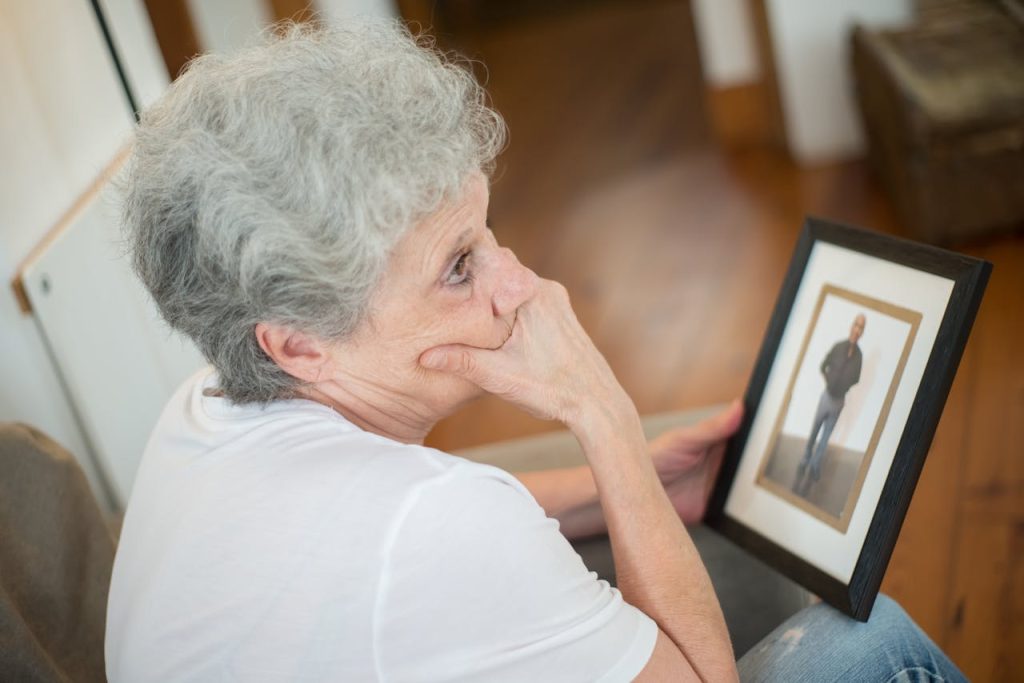
Family members and loved ones may see a change in personality of a person after a Dementia/Alzheimer’s diagnosis. The diagnosed person may have memory failure and not recognize family members or loved ones. The once calm, polite, and patient person has now become agitated, unruly, and frustrated. The diagnosed person who never swore is now projecting sudden outbursts of hurtful words. Family members and loved ones no longer recognize who this person has now become and may view the diagnosed person as a “Known Stranger.”
What is a "Wandering Event"?
“Eloped” or “Elopement” are terms used for people diagnosed with Dementia/Alzheimer’s who walk away and go missing from a residence or care facility.
Cause: It is typically a symptom of a cognitive condition, not a random act. The person is often trying to fulfill a perceived need, such as going “home” (even if they are already home), going to a former job, or seeking social interaction or exercise.
Risk: Wandering events can be dangerous, with high risks of injury or fatality if the person is not found quickly.
Frequently Asked Questions (FAQ's) on Dementia & Alzheimer’s Searches
What should I do first if a person with dementia or Alzheimer’s goes missing?
Immediate, coordinated action is critical. Begin searching the home right away, including closets, basements, garages, and the surrounding yard. The first few minutes are the most important in safely locating a vulnerable adult.
How quickly should I start searching?
Search immediately. Experts advise acting within the first 15 minutes, as individuals with dementia can quickly become disoriented, injured, or exposed to environmental hazards.
How far do people with dementia typically wander?
Most individuals who wander are found within 1.5 miles of where they were last seen—often within 0.5 miles. Searches should prioritize the immediate area before expanding outward.
Are there predictable wandering patterns?
Yes. Wandering often follows the direction of the person’s dominant hand. For example, a right-handed individual is more likely to turn right at forks, intersections, or pathways.
Where should I look besides streets and sidewalks?
Check less-traveled and concealed areas, including dense brush, tree lines, drainage areas, and bodies of water. People with dementia may enter these areas unintentionally and become stuck or hidden from view.
When should I call 911 in California?
If the person is not located within 15 minutes, call 911 immediately. California does not require a waiting period for reporting a missing vulnerable adult.
What should I tell the 911 dispatcher?
State clearly that the missing person is a “Vulnerable Adult with dementia or Alzheimer’s.” This classification ensures the case is treated as missing and at risk, triggering a faster law-enforcement response.
What is a Silver Alert and how does it work in California?
A Silver Alert is a statewide public notification system coordinated by the California Highway Patrol. It broadcasts identifying information through highway signs, media outlets, and digital alerts to help locate missing seniors and cognitively impaired adults.
What information should I have ready for police?
Provide a recent close-up photo, last-known clothing, medical conditions, current medications, nicknames the person responds to, and known destinations or routines. Having this information ready can significantly speed up the search.
Why should I check former homes or familiar places?
Disoriented individuals often attempt to return to places from their earlier life, such as former homes, workplaces, or favorite restaurants, even if they haven’t been there in years.
Should I involve neighbors and local businesses?
Yes. Notifying neighbors, nearby shopkeepers, transit staff, and community groups—both in person and through social media—can quickly expand the search area and increase the number of people actively looking.
Why should I call local hospitals?
Hospitals may have admitted the person as an unidentified patient. Calling nearby emergency rooms can help confirm whether they were found but unable to identify themselves.
Is there support available while the search is underway?
Yes. The Alzheimer’s Association operates a 24/7 Helpline (1-800-272-3900) that provides immediate guidance, emotional support, and assistance coordinating with law enforcement.
What is Project Lifesaver and when should I contact them?
If the individual is enrolled, Project Lifesaver can deploy specialized teams using radio-frequency tracking equipment. Notify them immediately to activate their response.
How does MedicAlert® + Safe Return® help?
If the person wears a MedicAlert ID, this service links them to a national database that helps law enforcement and hospitals quickly identify them and notify caregivers.
When should a local private investigator be contacted to assist in the search?
A local private investigator (PI) should be contacted after law enforcement has been notified and the initial search is underway, especially if the person has not been located within the first several hours or the case begins to stall.
Statistics on Dementia & Alzheimer’s missing persons in the United States
Based on academic research, the FBI’s missing persons database, and statistics from several states’ Silver Alert programs, it’s projected that each year in the United States 198,000 critical wandering events involving persons living with Dementia.
Of these, nearly 1 in 3, approximately 63,000 mothers, fathers, sisters, or brothers, do not return. If not found within 24 hours, the likelihood of a fatality reaches 46% in a mild environment. However, where terrain and climate are hostile to travel on foot, the proportion of fatalities is much higher.
Learn more from the Dementia Society of America on Keeping them Safe: Critical Wandering and Elopement.